2024 Privacy and Public Policy Conference
Georgetown University, September 13-14, 2024
McCourt School of Public Policy
125 E St NW
Washington, DC 20001
2024 Privacy and Public Policy Conference
The goal of this conference was to foster and enhance collaboration among privacy experts, researchers, data stewards, data practitioners, and public policymakers. This event serves as a crucial platform to bridge communication gaps across these diverse groups and collectively explore technical and policy solutions for addressing challenges related to data privacy and public policy.
The conference occurred over two days in a single-track format. The event commenced with an invited panel of speakers who discussed the practical implementation of various data privacy laws followed by a series of speakers presenting work related to data privacy or policy. In the evening, we hosted a poster session, complete with prizes for the best poster presentations. On the second day, following additional presentations, we wrapped up the event with engaging roundtable discussions. See the full 2024 program for more detail.
Conference Timeline
- Announcement for Participation and Conference: November 2023.
- Abstract Submission Deadline: February 29, 2024.
- Reviews Completion: April 8, 2024.
- Abstract Notification: April 15, 2024.
- Program Announcement: May 10, 2024.
- General Registration Opens: May 20, 2024.
- Presenter Registration Deadline: May 31, 2024.
- General Registration Deadline: August 2, 2024.
Full Program
| Day 1 | Friday September 13, 2024 |
|---|---|
| 8:45am - 9:00am | Introduction |
| 9:00am - 10:00am | Invited panel - “Best Practices for Sharing Data & Future Implications for Other Domains” Temilola Afolabi at CODE, Kelsey Finch at Snowflake, Gabe Kaptchuk at University of Maryland, and Nawar Shara at Georgetown University (panelists’ bios at the the end) The sharing of administrative and survey data are important for understanding various policy outcomes, but such increased data access for research and public policy requires the framework of various regulations that seek to ensure patient privacy. For example, various laws and regulations, such as the Health Insurance Portability and Accountability Act (HIPAA) and National Institutes of Health guidelines for Protecting Participant Privacy when Sharing Scientific Data, strive to protect the privacy of the identities of individuals and their health-related data. As a possible solution within these regulatory requirements, the Harvard Data Commons, the Open Commons Consortium, the National Cancer Institute’s Genomic Data Commons, and other entities have developed public data access systems that curate and host health-related and other data for research and public policy decisions. This session will bring together experts in this arena to discuss key developments on balancing data privacy and access as well as the future of data access, with a goal of identifying the lessons learned that may across several domains and contexts. |
| 10:00am - 10:15am | Coffee and tea break |
| 10:15am - 12:00pm | Session 1: Government PETs Applications |
| S1-01: Lisa B. Mirel, Cordell Golden, Rob Zybrick, Rui Wang, Chrystine Tadler, and Christine Cox - Linking Data in a Shared Service Environment | |
| S1-02: Silke Taylor, Josh Miller, Erika Tyagi, Deena Tamaroff, Clayton Seraphin, Graham MacDonald, Claire McKay Bowen, and Aaron R. Williams - Building an Automated Validation Server Prototype | |
| S1-03: Cordell Golden - National Center for Health Statistics Data Linkage Program: Generating Synthetic Data to Support Tiered Access | |
| S1-04: Shlomi Hod and Ran Canetti - Designing the Pilot Release of Israel’s National Registry of Live Births: Reconciling Privacy with Accuracy and Usability | |
| 12:00pm - 1:30pm | Lunch |
| 1:30pm - 3:15pm | Session 2: DP Methods and Applications |
| S2-01: Rob Chew, Terrance D. Savitsky, and Matthew R. Williams - Privacy Preserving Autocoders | |
| S2-02: Ogonnaya Romanus, Younes Boulaguiem, Roberto Molinari, and Stephane Guerrier - Simulation-Based Differentially Private Inference for Proportions | |
| S2-03: Liudas Panavas, Hari Bhimaraju, Wynee Pintado, Rebecca N. Wright, and Rachel Cummings - A Visualization Tool To Help Technical Practitioners of Differential Privacy | |
| S2-04: Priyanka Nanayakkara, Jayshree Sarathy, Mary Anne Smart, Rachel Cummings, Gabriel Kaptchuk, and Elissa M. Redmiles - Eliciting End Users’ Privacy-Accuracy Preferences for Differentially Private Deployments | |
| 3:15pm - 3:30pm | Coffee and tea break |
| 3:30pm - 5:00pm | Working Roundtables - Practical Applications and Policy Decisions of PETs Roundtable leaders
|
| 5:15pm - 7:00pm | Poster session
|
| Day 2 | Saturday September 14, 2024 |
|---|---|
| 9:00am - 10:45am | Session 3: Synthetic Data Methods and Applications |
| S3-01: Luca Sartore, Lu Chen, Michael Jacobsen, Kado Yeo, and Valbona Bejleri - High-Dimensional Synthetic Data Via Nearest Neighbors | |
| S3-02: Medha Uppala, Minsun Riddles, Tom Krenzke, Natalie Shlomo, Angela Chen, Robyn Ferg, and Lin Li - Research and Applications of Select Synthetic Data Approaches at Westat | |
| S3-03: Ayat Almomani, Hang J. Kim, Won Chang, and Youngdeok Hwang - Automatic Variance Adjusted Bayesian Inference with Pseudo Likelihood under Unequal Probability Sampling: Imputation and Data Synthesis | |
| S3-04: Cameron Bale and Harrison Quick - Optimized Sequential Synthesis with an Application to Legal Anonymization | |
| 10:45am - 11:00am | Coffee and tea break |
| 11:00am - 12:45pm | Session 4: Privacy Perspectives |
| S4-01: Elan Segarra - Estimating Preferences Over Data to Inform Statistical Disclosure Methods | |
| S4-02: Severin Engelmann and Helen Nissenbaum - Countering Privacy Nihilism | |
| S4-03: James Bailie, Roubin Gong, and Xiao-Li Meng - Can Swapping be Differentially Private? A Refreshment Stirred, not Shaken | |
| S4-04: Rachel Cummings, Talia Gillis, and Tamalika Mukherjee - The Hidden Costs of Privacy Choice for Marginalized Groups | |
| 12:45pm - 2:00pm | Lunch and wrap-up |
Panelist Information
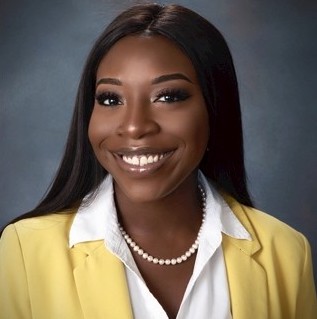
Temilola Afolabi is the Program Manager for CODEs Data for Equity Program. In this role, Temi leads the organization’s Open Data for Equity program. In this role, she aims to support state and local leaders to identify equity-related needs and apply local data for effective policy solutions and technical resource creation. Over the past 4 years, the program has had success in applying data to improve equity in fair housing, criminal justice, environmental justice, healthcare, and workforce opportunity. Since 2019, Temi has supported CODEs wider research efforts as its Research and Communications Intern, Research Associate, and Senior Research Associate. Her work helped support the planning, implementation, and evaluation of social good projects, resulting in data-informed technical documents, policy recommendations, and actionable next steps. In 2023, Temi served as the In-Country Project Manager for a USAID conflict prevention project with the UMD Center for International Development and Conflict Management. Based in Tamale, Ghana, she was responsible for ensuring the successful implementation of project goals and working directly with communities to reduce the threat of extremist violence in Northern Ghana. Temi is currently pursuing her MSc in Data Analytics at the University of Maryland. She completed the National Institute of Health’s Data Science Fellowship with the Agency’s Artificial Intelligence and Machine Learning Consortium to Advance Health Equity and Researcher Diversity (AIM-AHEAD) program in 2022. She received her Bachelor’s degree from the University of Maryland College Park, where she studied International Government and Politics, with a Minor certificate in International Development and Conflict Management. She can be reached at temilola@odenterprise.org.

Kelsey is an Adjunct Professor with the William & Mary School of Law and Senior Corporate Counsel - Privacy at Snowflake. An experienced privacy attorney, Kelsey advises clients in building and maturing their privacy programs.
Previously, Kelsey was Senior Privacy Counsel at the Future of Privacy Forum where she led FPF’s work on privacy enhancing technologies and responsible data sharing, among other projects. Kelsey collaborated with senior privacy leaders in government, academia, industry, and civil society to build best practices, inform sound policymaking, and create educational materials to advance responsible data practices for emerging technologies.
She is a graduate of Smith College and the Benjamin N. Cardozo School of Law, with a concentration in Intellectual Property and Information Law. She is a Certified Information Privacy Professional (CIPP/US) and a Certified Information Privacy Manager (CIPM).

Dr. Gabe Kaptchuk is an Assistant Professor of Computer Science at the University of Maryland, College Park. His research is inspired by a desire to prepare cryptographic systems for high-impact, real-world deployment. Dr. Kaptchuk’s research spans multiple subdomains of security and privacy, including applied cryptography, theoretical cryptography, and human factors. Dr. Kaptchuk also works at the intersections of policy, law, and computer science and teaches interdisciplinary courses at these intersections.

Dr. Shara is the founding director of AI CoLab, chief research data science, director of the Center of Biostatistics, Informatics, Data Science at the MedStar Health Research Institute, and Associate Professor of Medicine at Georgetown university with over 20 years of experience. As an NIH-funded investigator, she leads multidisciplinary teams to harness the power of Artificial Intelligence in promoting ethical, transparent, and trustworthy solutions in healthcare. Dr. Shara has several leadership positions spanning the CTSA/NCATS consortium to the national AIM-AHEAD program, charged with raising awareness about the potential role AI plays in health equity. She leads the development of curricula focused on the role AI plays in healthcare to train and educate the next generation of frontline healthcare workers. Dr. Shara earned her Master and PhD in applied statistics from American University after completing her undergraduate degree in Economics at Damascus University.
Conference Organizers
Planning Committee Co-Chairs
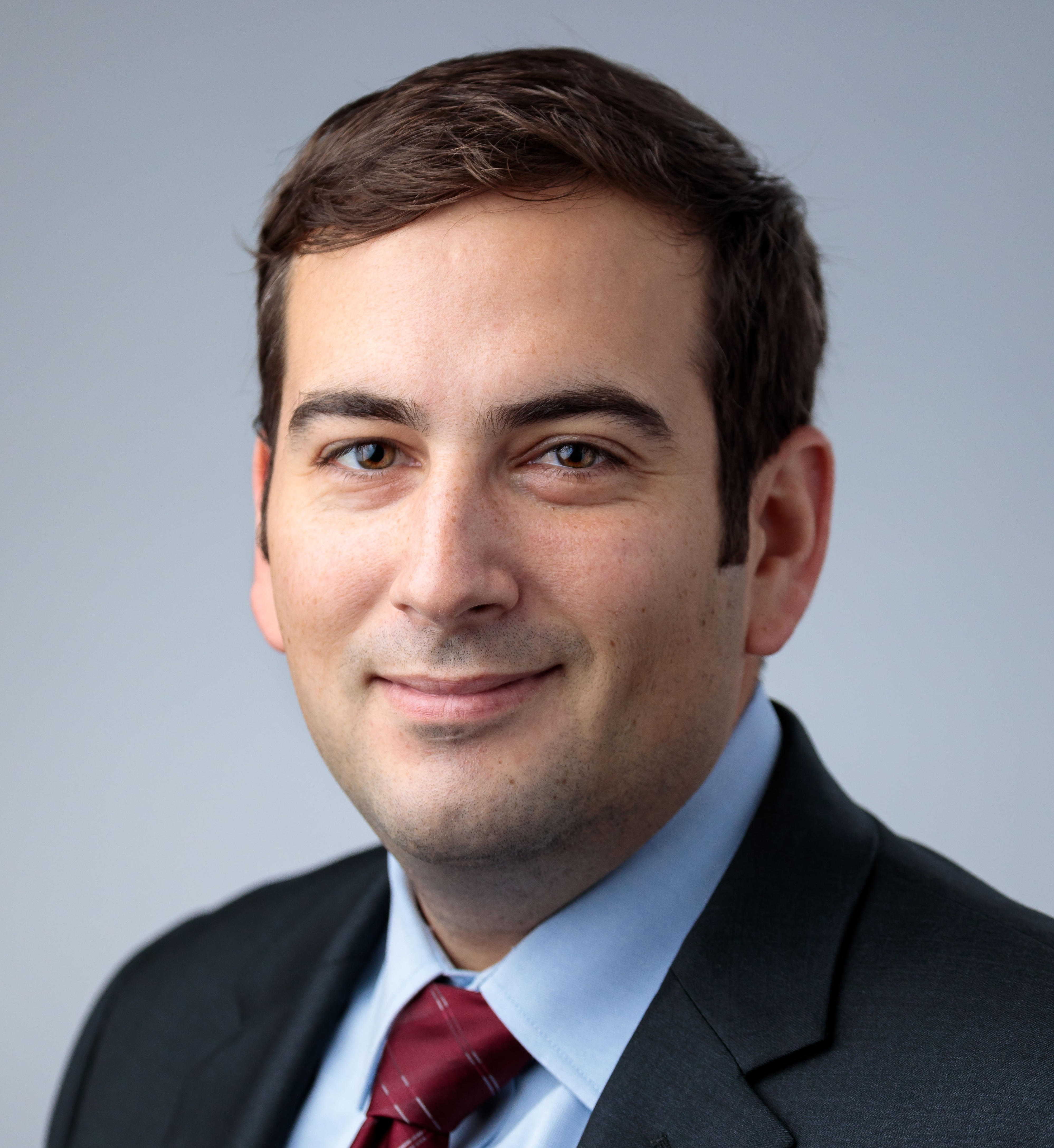
Quentin Brummet
Quentin Brummet (he/him) is a senior research methodologist in the Methodology & Quantitative Social Sciences department at NORC at the University of Chicago. In this role, he leads research on education and labor force policies and techniques for data privacy, causal inference and survey methodology. He is particularly interested in research related to the applicability of formal privacy methods to sample surveys.

Anthony Caruso
Anthony Caruso is Chief of the Confidentiality Research Staff in the Economic Statistical Methods Division at the U.S. Census Bureau. His work focuses on the development and implementation of differentially private methods for economic statistics. He is also interested in improving public understanding about differential privacy and other statistical disclosure control methods.

Jingchen (Monika) Hu
Jingchen (Monika) Hu (she/her) is an Associate Professor at Vassar College. She works on advancing Bayesian methods for statistical data privacy challenges, including synthetic data and differential privacy methods. Monika is a co-author of the undergraduate-level Bayesian textbook Probability and Bayesian Modeling.
Program Committee Co-Chairs
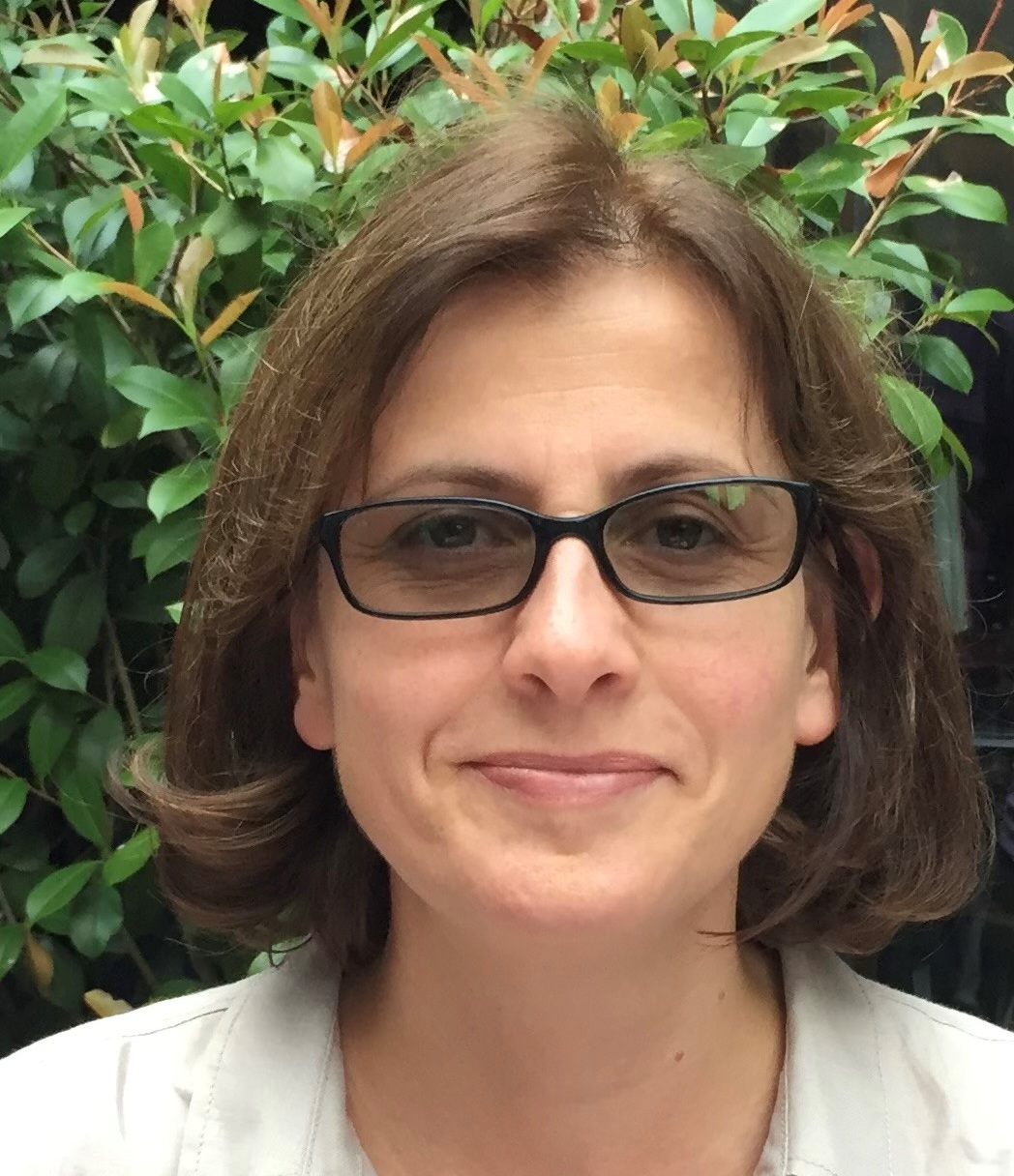
Valbona Bejleri
Valbona Bejleri (she/her) is a supervisory mathematical statistician with National Agricultural Statistics Service (NASS) at the Department of Agriculture (USDA). She is also a co-leader of the Statistical Disclosure Limitation Research Team at NASS. Her research interests include methods for predictive inference, uncertainty assessment, and statistical disclosure methods with application to agricultural data.

Claire Bowen
Claire McKay Bowen (she/her) is a principal research associate and leads the Statistical Methods Group at the Urban Institute. Her research primarily focuses on developing technical and policy solutions to safely expand access to confidential data that advances evidence-based policymaking. She also has interest in improving science communication and integrating data equity into the data privacy process.
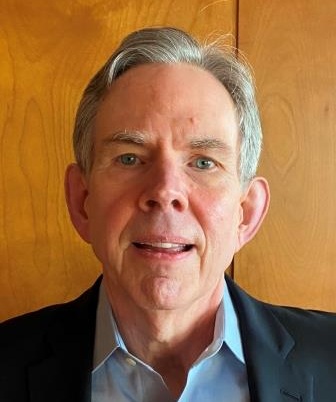
V. Joseph Hotz
V. Joseph Hotz is the Arts and Sciences Distinguished Professor of Economics and Public Policy at Duke University. His research areas include the economics of the family, economic demography, labor economics, population health, and applied econometrics.
Planning Committee Members
Brenda Betancourt, NORC at the University of Chicago
Stephanie Straus, Georgetown University
Program Committee Members
Lu Chen, National Institute of Statistical Sciences/USDA, NASS
Michael Hawes, United States Census Bureau
Joshua Snoke, RAND Corp.
Reviewers
James Bailie, Statistics Department, Harvard University
Rob Chew, RTI International
Alyssa Columbus, Johns Hopkins University
Justin Doty, United States Census Bureau
Caleb Floyd, United States Census Bureau
Michael Freiman, United States Census Bureau
Scott Holan, University of Missouri/United States Census Bureau
Michael Jacobson, USDA - National Agricultural Statistics Service
Don Jang, NORC at the University of Chicago
Hang Kim, University of Cincinnati
Jae June Lee, Georgetown Center on Poverty & Inequality
Norm Matloff, University of California, Davis
Casey Meehan, Tumult Labs
Zixin Nie, RTI International
David Pujol, Tumult Labs
Minsun Riddles, Westat
Christine Task, Knexus Research Corporation
Zach Terner, The MITRE Corporation
Thank you to our sponsors


-01.jpg)